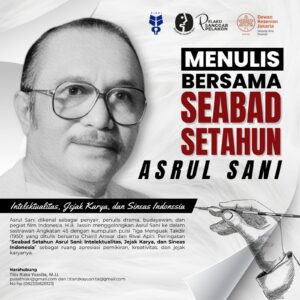
Tracing the Footsteps of Wahyu Iryana in the Asrul Sani Centennial Book Competition. An internal document from the committee commemorating the 100th anniversary of Asrul Sani’s birth has been circulating in academic circles. Among the more than 50 names listed as Core Authors of the book Seabad Setahun Asrul Sani: Identitas, Jejak Karya, dan Sineas Indonesia (A Century of Asrul Sani: Identity, Works, and Indonesian Filmmakers), there is one name from Lampung: Wahyu Iryana. This name does not appear in a symbolic position. Based on a copy of the official list, Wahyu Iryana is listed alongside academics from a number of top universities such as the University of Indonesia, Gadjah Mada University, and Airlangga University. Who is Wahyu Iryana? In Lampung, he is known as an academic at the Raden Intan Lampung State Islamic University and Executive Director of the Lampung Islamic History Study Center. Over the past few years, his name has often appeared in historical essays, cultural opinion pieces, and discussion forums questioning the relationship between local history and mainstream national historiography. However, the inclusion of names from the regions in a national project such as this is not a simple matter. Several literary observers who were contacted mentioned that the selection of Core Writers was carried out through a rigorous curation process based on academic track records and writing contributions. This means that the inclusion of names is not merely ceremonial.
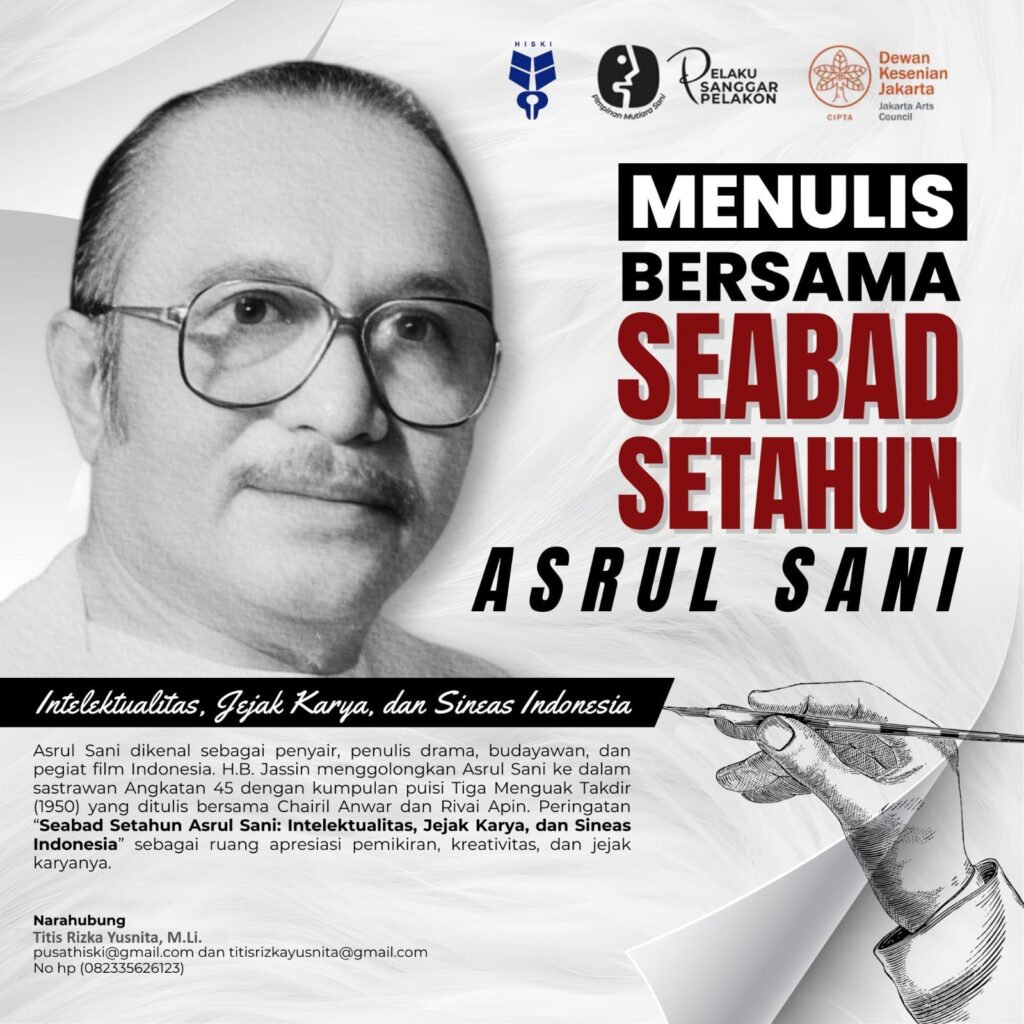
This book project was conceived as a reflection on the intellectual legacy of Asrul Sani, a figure of the Angkatan ’45 generation known as a poet and screenwriter who laid an important foundation for Indonesian cinema in the early days of independence. The theme touched not only on biographical aspects, but also on identity, his body of work, and his influence on Indonesian cinema. Further investigation revealed that the involvement of writers from various universities showed a relatively even distribution of participation. Not only academics from the center, but also from various regions were involved. This fact is interesting, considering that cultural discourse has often been centered in Jakarta and other major cities in Java. When confirmed, Wahyu Iryana mentioned that his involvement was part of his academic responsibility. “This is not just a historical tribute, but an effort to preserve intellectual tradition,” he said briefly. This statement implies that this project is viewed more as scientific work than a commemorative ceremony. From an academic perspective, the inclusion of Wahyu Iryana’s name can be seen as an indicator of the increasing visibility of regional academics in the national intellectual network. In recent years, the discourse on the decentralization of knowledge production has indeed strengthened. Campuses outside the center have begun to actively build research networks and cross-regional collaborations.
Asrul Sani’s Seabad Setahun project ultimately reflects this dynamic. This book is not merely a memorial, but a meeting place for perspectives: literature, history, and cinema. It shows how the legacy of the ’45 Generation is being reinterpreted by today’s generation of academics from various cities, with diverse disciplinary backgrounds. And among those names, Wahyu Iryana represents Lampung in the map of national cultural discourse. This is a sign that writing and research from the regions are no longer on the periphery, but are helping to determine the direction of discourse.