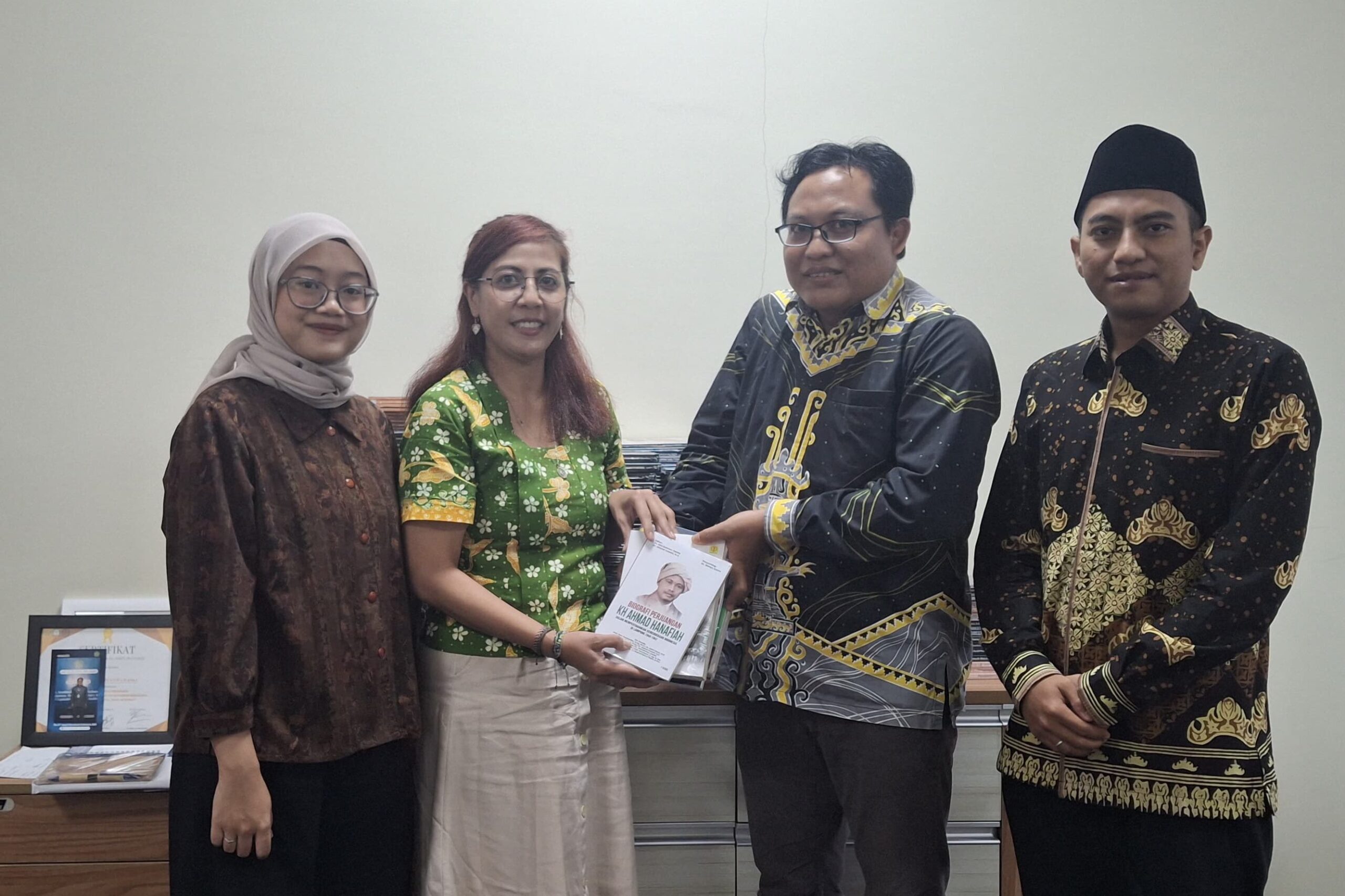
Lampung — The Center for Islamic History Studies of Lampung (PSSIL), Faculty of Adab, welcomed an academic visit from KITLV Leiden University, the Netherlands, to explore strategic collaboration in developing physical and digital (electronic) databases of works rooted in local culture.
The meeting was attended by Dr. H. Wahyu Iryana, M.Ag, Executive Director of PSSIL, and Muhamad Bisri Mustofa, M.Kom.I, Secretary of PSSIL. Representing KITLV Leiden were Dila F. and Aderina, Metadata Librarian at KITLV, whose expertise in cataloging and metadata standards played a central role in the discussion.
During the session, both institutions engaged in in-depth discussions on archiving, documentation, and the development of an integrated database system covering manuscripts, historical archives, scholarly works, oral traditions, and other tangible and intangible cultural products based on Lampung’s local heritage.
Dr. Wahyu Iryana emphasized that this collaboration aligns with PSSIL’s vision of strengthening Islamic historical studies through research-based preservation and digital humanities innovation. He noted that Lampung possesses rich historical assets, including pesantren networks, ulama genealogies, Islamic manuscripts, and community-based traditions that require systematic documentation and international academic engagement.
Muhamad Bisri Mustofa highlighted the importance of technological integration in managing both physical and digital collections. He explained that establishing standardized metadata and interoperable systems would ensure that local cultural works are accessible, searchable, and preserved according to international academic standards.
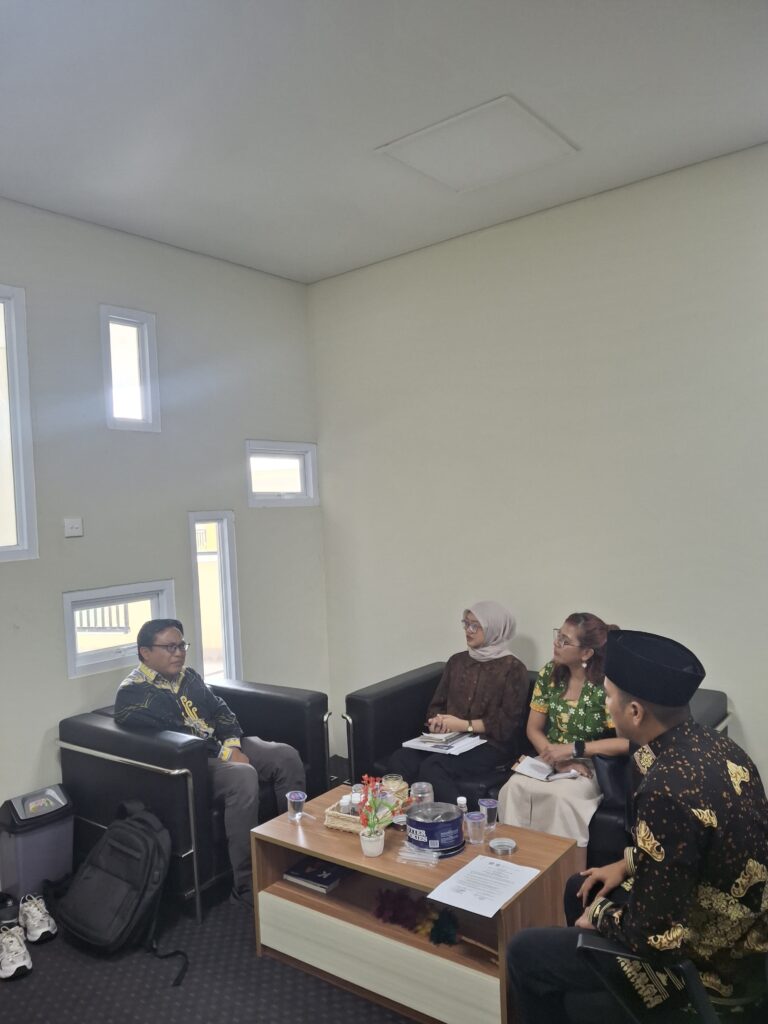
From the KITLV side, Aderina shared insights into metadata management, digital cataloging frameworks, and best practices in building sustainable research repositories. The exchange of perspectives opened opportunities for technical collaboration, including collection mapping, digitization strategies, metadata harmonization, and potential training programs.
The visit also served as a platform to further introduce PSSIL’s broader mission as a regional research hub dedicated to Islamic history in Lampung and Sumatra. Beyond archival work, PSSIL actively engages with local communities, museums, pesantren, and cultural institutions to preserve living traditions and strengthen historical awareness.
The meeting concluded with a mutual commitment to draft a framework for cooperation, including joint research initiatives, academic exchanges, and the development of a digital platform that would provide structured access to selected collections in accordance with academic ethics and institutional regulations.
This visit marks an important milestone in expanding PSSIL’s international network and reinforces its role as an emerging center for Islamic historical studies rooted in local wisdom while contributing to global scholarship.
In addition to the planned collaboration on database development, the discussion also provided an opportunity to further introduce and explore the broader profile and strategic role of the Center for Islamic History Studies of Lampung (PSSIL).
During the session, PSSIL presented its institutional background, research roadmap, and ongoing projects. Established under the Faculty of Adab, PSSIL functions as a research hub dedicated to the study, preservation, and dissemination of Islamic history in Lampung and the wider Sumatra region. The Center integrates historical research, manuscript studies, oral history documentation, and community-based cultural preservation into a comprehensive academic framework.
The delegation from KITLV Leiden showed particular interest in PSSIL’s initiatives in documenting local ulama networks, pesantren histories, Islamic manuscripts, and the role of Islam in shaping Lampung’s socio-cultural identity. The discussion highlighted how PSSIL not only focuses on archival research but also engages actively with local communities, museums, pesantren, and cultural organizations to ensure that historical narratives remain connected to living traditions.
PSSIL also outlined its efforts in developing digital humanities approaches, including cataloging systems, digitization of rare collections, and the creation of accessible academic repositories. These initiatives reflect the Center’s commitment to bridging traditional scholarship with contemporary technological tools.
Furthermore, the exploration session opened possibilities for joint research projects, co-authored publications, academic exchanges, and collaborative conferences focusing on Islamic history, local wisdom, and cultural resilience. Both institutions recognized that Lampung’s historical trajectory, marked by migration, Islamic scholarship, and multicultural interaction, offers significant contributions to global discussions on Islam in Southeast Asia.
The visit ultimately reinforced PSSIL’s position as an emerging center of excellence in Islamic historical studies at the regional level, with growing international engagement. Through continued collaboration, PSSIL aspires to strengthen its role as a custodian of local heritage while contributing meaningfully to global academic discourse.