By: Wahyu Iryana (Muslim Historian, UIN Raden Intan Lampung)
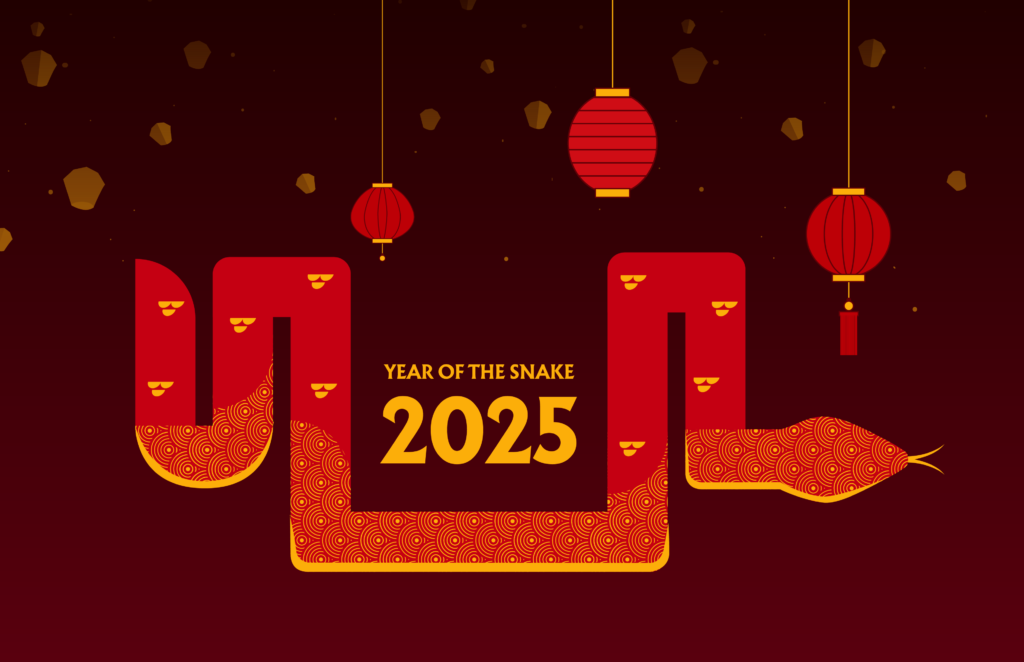
When the sound of Barongsai drums reverberates and red lanterns illuminate the night in various corners of the city, Lunar New Year is not merely a celebration of the new year for the Chinese community. It is also an invitation to reflect on the meaning of life in diversity and the spirit of mutual cooperation in Indonesia. Lunar New Year teaches us values that transcend ethnic, religious, and cultural boundaries, uniting us in a humanistic dimension that is deeply relevant amidst the challenges of the modern world.
The Historical Dimension: From Discrimination to Reconciliation
The celebration of Lunar New Year in Indonesia has a long and winding historical journey. During the New Order era, the freedom of the Chinese community to celebrate their culture and traditions was repressed. However, in the reform era, especially after President Abdurrahman Wahid revoked Presidential Instruction No. 14 of 1967, which restricted Chinese cultural activities, Lunar New Year once again became a part of Indonesian society’s life. Gus Dur not only opened the door to freedom for the Chinese community but also instilled humanitarian values within the framework of the nation’s diversity.
Today, Lunar New Year is celebrated widely across Indonesia, from Glodok in Jakarta to Chinatown districts in Semarang and Medan. However, Lunar New Year is not just about lanterns and kue keranjang. It is a witness to the nation’s historical journey in striving to unite differences in harmony. Lunar New Year reminds us that a dark past should not prevent us from creating an inclusive future.
The Humanistic Values of Lunar New Year: Helping Each Other and Enriching Life
The essence of Lunar New Year lies in the fundamental principles taught in Chinese traditions: togetherness, respect for ancestors, and the desire to bring blessings to others. In Chinese culture, the concept of Yin De or planting virtue is a foundational value. This is reflected in traditions of sharing, such as giving angpao—not merely a formality, but a tangible expression of sharing blessings and good wishes.
This value aligns with Indonesia’s philosophy rooted in the spirit of gotong royong (mutual cooperation). Lunar New Year can serve as an inspiration to rebuild the spirit of helping one another in modern society, which is often trapped in individualism. When we help each other, we not only ease others’ burdens but also enrich life, bringing happiness that goes beyond material wealth.
Facing Current Challenges: Building Empathy and Tolerance
In a world increasingly polarized by political, religious, and identity issues, the Lunar New Year celebration offers a new perspective on the importance of empathy and tolerance. When Barongsai dances in front of temples, mosques, or churches, we are reminded that diversity should not be a reason for conflict but an opportunity for mutual understanding.
In this digital era, for instance, fake news and hate speech often pose real threats to national unity. Lunar New Year traditions, with their inclusive values, can serve as a shield against hate narratives. Respecting other traditions and cultures is a first step toward stronger unity.
As a historian, I see that Indonesia’s greatest strength lies in its diversity. Lunar New Year teaches us that no nation can truly be great without valuing and utilizing diversity as a shared treasure.
The Economic and Social Dimension: Lunar New Year as a Momentum for Revival
The Lunar New Year celebration also has a significant impact on the economy. Trading centers, particularly those in Chinatown areas, come alive with bustling markets and festivals. However, beyond its economic aspects, Lunar New Year carries a deeper social message. It reminds us of the importance of sharing prosperity. It is a moment for the more fortunate to help those in need, whether through angpao distributions or other social activities.
For example, some Chinese communities in Indonesia regularly organize social service activities, such as distributing food packages or providing free healthcare, as part of their Lunar New Year celebrations. This tradition proves that true happiness comes not just from what we possess but from what we share.
Lunar New Year as an Inspiration for Harmonious Living
Lunar New Year does not only belong to the Chinese community; it belongs to all of us as a nation living in diversity. This celebration invites us to reflect on the importance of maintaining harmony within our diversity. Amidst the currents of globalization that sometimes lead to cultural alienation, Lunar New Year reminds us to return to the roots of human values: helping one another, respecting each other, and sharing happiness.
As a Muslim, I see that the message of Lunar New Year is universal and aligns with Islamic values. Islam teaches rahmatan lil alamin, being a mercy for all creation, including fellow humans regardless of their background. Similarly, Lunar New Year teaches us to enrich the world with goodness, as Chinese traditions honor ancestors and wish blessings upon all.
A Meaningful Life
Ultimately, Lunar New Year in Indonesia should be seen as more than just a cultural tradition. It is a momentum to strengthen social bonds and build a humanistic dimension in community life. Lunar New Year teaches us that diversity is not a hindrance but a blessing that must be celebrated.
In the spirit of Lunar New Year, let us make Indonesia a home for all, where every individual feels valued and accepted. By helping and sharing with one another, we not only enrich the lives of others but also make this world a better place to live.
Happy Lunar New Year! Gong Xi Fa Cai! May blessings, happiness, and peace always be with us all.