**By H. Wahyu Iryana*Historian and Poet at UIN Raden Intan Lampung, Executive Director of the Center for Islamic History Studies of Lampung.*
In the past, the intellectual prowess of pesantren Indonesia’s traditional Islamic boarding schools was woven through the delicate art of manuscript writing, calligraphy, and oral storytelling. Today, AS the world tilts dramatically towards a digital future, a new chapter is being written: the emergence of digitally literate santri, nurtured through a growing grassroots initiative known as the Gerakan Pesantren Menulis (Pesantren Writing Movement).
Across the archipelago, especially in regions like Lampung, pesantren are embracing the spirit of literacy, journalism, and digital storytelling. They are nurturing a new generation of thinkers who are no longer confined to the boundaries of handwritten manuscripts but are extending their voices to blogs, online journals, podcasts, and digital magazines. This movement signals not only a preservation of the pesantren’s scholarly tradition but also its necessary evolution.
The urgency for this transformation cannot be overstated. In an era where information is weaponized and digital spaces are flooded with disinformation, santri traditionally trained in discipline, ethics, and critical thinking are uniquely positioned to be guardians of truth. However, this potential can only be realized if they are equipped with the skills to navigate and influence digital landscapes.
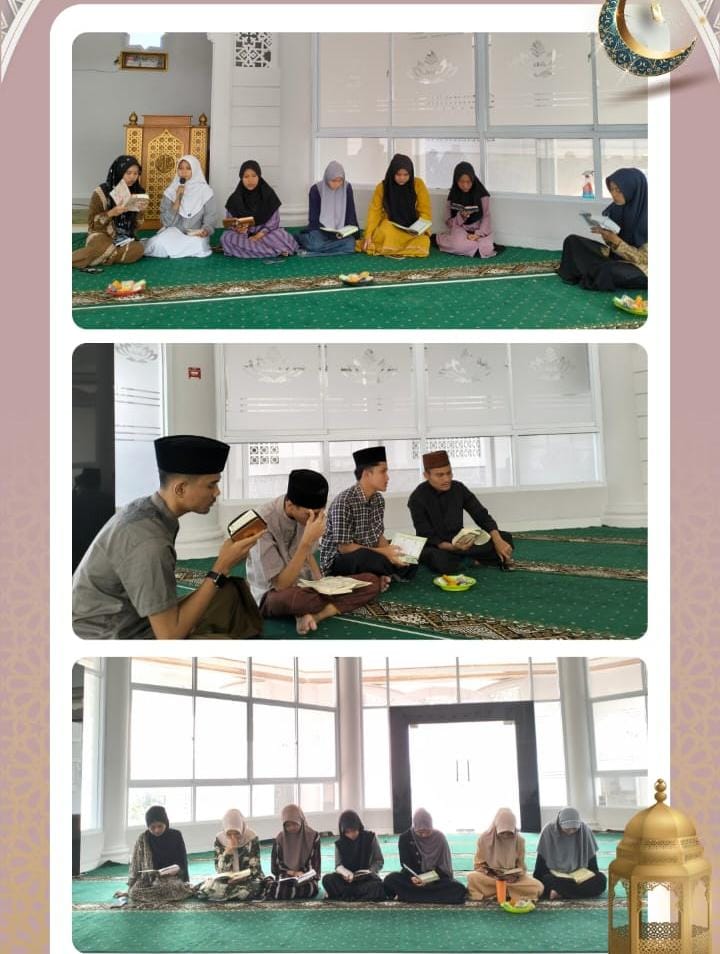
The Gerakan Pesantren Menulis fosters these skills through a simple yet powerful philosophy: writing as an act of devotion and responsibility. Workshops are being held to teach santri not just basic writing skills, but also digital publishing, media literacy, and ethical journalism. In some pesantren, digital journalism classes have been integrated into the curriculum, turning dormitories into vibrant editorial rooms where young minds debate headlines, draft op-eds, and curate social media content rooted in wisdom and faith.
The impact is already visible. Blogs authored by santri offer refreshing perspectives on theology, humanity, environmental stewardship, and civic participation. Some have begun documenting local histories, traditional arts, and oral stories that risk being forgotten in the tidal wave of modernity. Others bravely tackle contemporary issues like mental health, environmental degradation, or technological ethics all through the lens of Islamic values.
The movement is more than just literacy; it is about reclaiming narrative power. For too long, the image of pesantren in public discourse has been painted with outdated stereotypes backward, isolated, and resistant to change. Through the writing movement, santri are proving otherwise: they are thoughtful, engaged, and capable of bridging tradition with innovation.Nevertheless, challenges remain. Access to digital technology in rural pesantren is still uneven. Internet connectivity can be sporadic, and quality mentors in writing and journalism are scarce. Furthermore, not all pesantren leaders immediately see the value of investing in digital literacy, often prioritizing classical religious studies above all else.
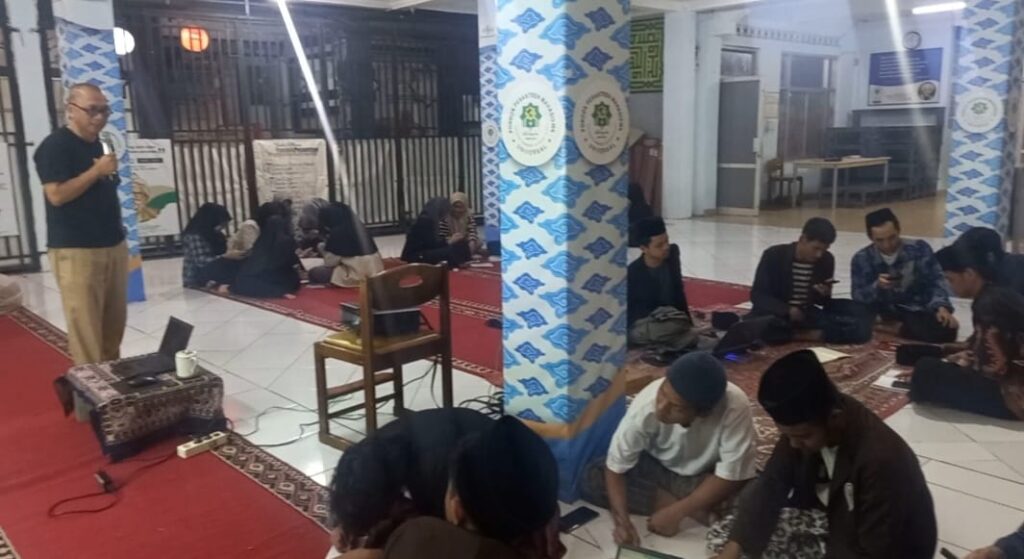
Here, collaboration is key. Universities, media organizations, and civil society groups must actively partner with pesantren to offer resources, mentorship, and infrastructure. Journalists and editors from mainstream outlets could volunteer time for digital workshops. Tech companies could sponsor connectivity and devices. Government programs focused on education and digital inclusion must prioritize religious communities as vital participants, not peripheral stakeholders.
Equally important is nurturing the ethos of critical thinking. Teaching santri how to write is not enough; they must also learn how to question sources, verify information, and respect diversity of opinions. This critical sensibility is deeply compatible with the pesantren tradition, which values debate (bahtsul masa’il) and dialogical reasoning.In the bigger picture, the Pesantren Writing Movement holds profound significance for Indonesia’s democracy. A digitally literate generation of santri can help enrich public discourse with voices rooted in morality, social justice, and national unity. They can serve as antidotes to polarization, misinformation, and identity politics.Imagine an Indonesia where the future journalists, novelists, historians, and opinion leaders emerge not only from elite universities but also from humble pesantren dormitories. Imagine a society where tradition and technology walk hand in hand, where the wisdom of the past enlightens the pathways of the future.
The seeds of this vision are already being sown. It is our collective task to nurture them.As the Prophet Muhammad once said, “The ink of the scholar is more sacred than the blood of the martyr.” In this spirit, the keyboards, cameras, and microphones of the santri are becoming the new instruments of devotion, knowledge, and national service.