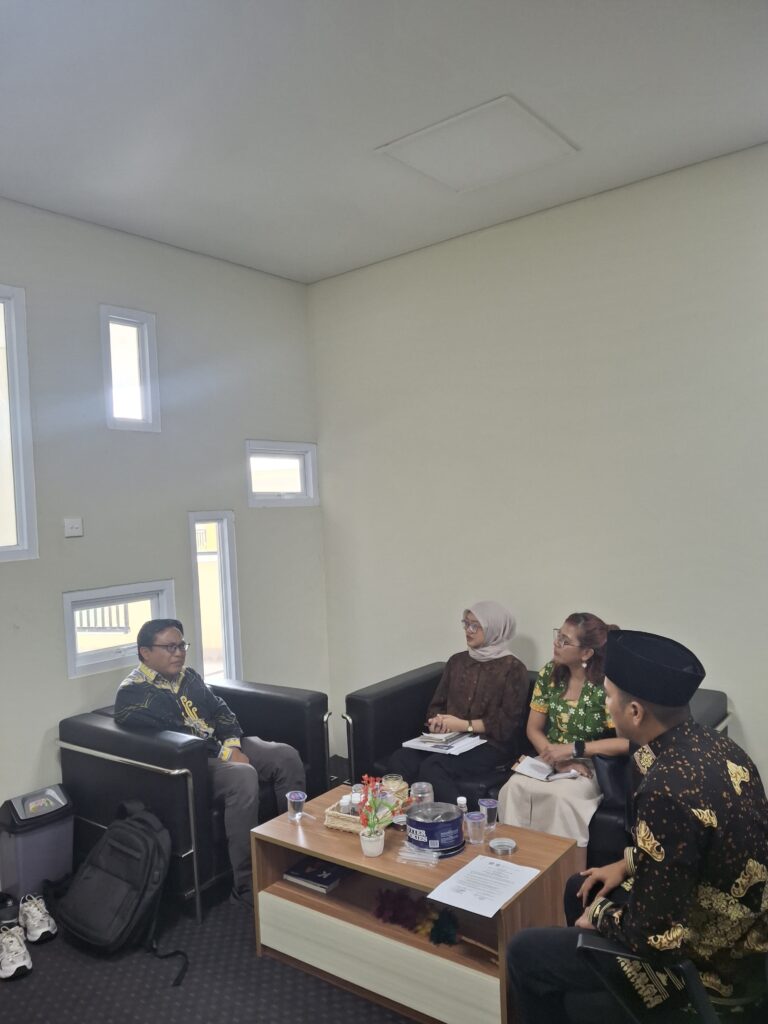

In an unprecedented move that underscores the growing emphasis on collaborative research in the field of Islamic studies, the Islamic History Studies Center Lampung hosted a landmark webinar in partnership with the Association of SPI Programs across Indonesia. The event, held on Friday, February 28, 2025, brought together some of the nation’s most distinguished scholars and experts to discuss the evolution, preservation, and future directions of Islamic historical studies in the Indonesian archipelago.
The webinar was spearheaded by Dr. Wahyu Iryana, the Executive Director of the Islamic History Studies Center Lampung, whose visionary leadership set the stage for a robust dialogue among academicians, researchers, and students. Dr. Iryana opened the session by emphasizing the urgency of uniting traditional scholarship with modern research methodologies. “We are at a pivotal moment in our academic journey,” he stated during his opening remarks. “By joining forces with the Association of SPI Programs, we not only honor our rich Islamic heritage but also pave the way for innovative approaches that blend historical inquiry with contemporary insights.”
A key highlight of the event was the presence of Mr. Ahmad Abas, the esteemed Chairman of APSII. Renowned for his contributions to the field of Islamic studies and his strategic vision in promoting inter-institutional partnerships, Mr. Abas captivated the audience with his insightful perspective on the importance of preserving Indonesia’s cultural legacy. “Our history is a living narrative,” he remarked. “It is our duty to ensure that every facet of our Islamic heritage is meticulously recorded, critically examined, and widely disseminated. This collaboration marks a significant step toward achieving that goal.”
Equally influential was the participation of Dr. Roni Tabroni, MA, a respected researcher from BRIN whose work in Islamic historical studies has earned him national and international acclaim. Dr. Tabroni’s presentation focused on the integration of traditional archival research with cutting-edge digital technologies. He explained how digitization and modern research tools could revolutionize the study of historical manuscripts and rare documents. “The fusion of technology with traditional scholarship will democratize access to our cultural treasures,” Dr. Tabroni explained. “It will also ensure that future generations can engage with our history in a meaningful and accessible manner.”
Throughout the two-hour webinar, the speakers delved into a series of compelling topics that underscored the multidimensional nature of Islamic history in Indonesia. Panels addressed the impact of early Islamic trade on regional cultural exchanges, the architectural legacies left behind by Islamic empires, and the transformative role of education in shaping religious discourse over the centuries. Each discussion highlighted how historical narratives continue to influence contemporary social and political thought, reinforcing the idea that the past is intricately linked to present realities.
One of the more dynamic sessions involved a roundtable discussion moderated by Dr. Wahyu Iryana. This interactive segment allowed participants to voice their opinions on the challenges and opportunities inherent in the study of Islamic history. Experts debated issues ranging from the ethical implications of historical reinterpretation to the practical challenges of conserving fragile manuscripts in tropical climates. The roundtable provided an open forum where emerging scholars could engage directly with established experts, fostering an environment of mentorship and intellectual exchange.
The webinar also featured several breakout sessions designed to provide attendees with practical insights into modern research techniques. In these sessions, participants were introduced to digital archiving platforms and data analysis tools that are transforming the way historical research is conducted. Attendees had the opportunity to learn from specialists who have successfully integrated technology into their research workflows, offering a glimpse into the future of academic inquiry. The interactive format of these sessions allowed for a lively exchange of ideas and showcased the potential of interdisciplinary collaboration.
In addition to its academic rigor, the event was also a testament to the power of digital platforms in uniting a geographically dispersed academic community. With participants joining from various regions across Indonesia, the webinar demonstrated how technology can bridge traditional divides and foster a sense of national unity. This digital gathering was not just an academic exercise; it was a celebration of Indonesia’s rich cultural tapestry and a reaffirmation of the country’s commitment to preserving its historical legacy for future generations.
The impact of this collaboration is expected to be far-reaching. Both the Islamic History Studies Center Lampung and the Association of SPI Programs have announced plans for a series of follow-up initiatives aimed at deepening research efforts and expanding educational outreach. Future projects include regional conferences, collaborative research projects, and the launch of a joint digital archive dedicated to the preservation of Islamic historical documents. These initiatives are set to enhance academic cooperation across Indonesia, enabling scholars to share resources, exchange best practices, and develop innovative research methodologies that reflect the changing dynamics of the modern world.
As the webinar drew to a close, Dr. Wahyu Iryana offered a final reflective message that resonated with the audience. “Today, we have not only shared knowledge but have also forged bonds that will strengthen our collective resolve to explore and understand our heritage,” he said. “The journey of discovery is continuous, and it is only through collaboration that we can truly appreciate the depth and breadth of our historical narrative.” His remarks encapsulated the spirit of the event—a spirit of collaboration, innovation, and an unwavering commitment to academic excellence.
The enthusiasm generated by the webinar was palpable, with many participants expressing optimism about the future of Islamic historical studies in Indonesia. Feedback from the session highlighted the value of engaging with experts who are at the forefront of integrating traditional scholarship with modern research practices. Attendees praised the event for its comprehensive coverage of critical issues and for providing a platform where diverse voices could contribute to a shared vision of academic progress.
International observers have also taken note of this collaborative model, recognizing it as a blueprint for similar initiatives in other parts of the world. The successful integration of digital tools with age-old historical inquiry has positioned Indonesia as a leader in the field, offering valuable lessons on how to adapt traditional academic disciplines to the demands of the modern era. The webinar not only showcased the strengths of Indonesian scholarship but also underscored the universal relevance of historical research in addressing contemporary global challenges.
In summary, the landmark webinar hosted by the Islamic History Studies Center Lampung on February 28, 2025, represents a significant milestone in the evolution of Islamic historical studies in Indonesia. Through the collaboration with the Association of SPI Programs, the event brought together influential figures such as Chairman Ahmad Abas and Dr. Roni Tabroni, MA, under the visionary guidance of Dr. Wahyu Iryana. The discussions, presentations, and interactive sessions held during the webinar have set a new standard for academic collaboration, merging tradition with innovation and reinforcing the importance of preserving Indonesia’s rich Islamic heritage. As the academic community looks forward to a future enriched by continued partnership and digital innovation, this event stands as a shining example of how collective effort can drive transformative change in the world of historical research.
(WI/AN doc)
Breaking News: Groundbreaking Webinar Unites Islamic History Scholars in National Collaboration
Lampung, Indonesia – February 28, 2025
In an unprecedented move that underscores the growing emphasis on collaborative research in the field of Islamic studies, the Islamic History Studies Center Lampung hosted a landmark webinar in partnership with the Association of SPI Programs across Indonesia. The event, held on Friday, February 28, 2025, brought together some of the nation’s most distinguished scholars and experts to discuss the evolution, preservation, and future directions of Islamic historical studies in the Indonesian archipelago.
The webinar was spearheaded by Dr. Wahyu Iryana, the Executive Director of the Islamic History Studies Center Lampung, whose visionary leadership set the stage for a robust dialogue among academicians, researchers, and students. Dr. Iryana opened the session by emphasizing the urgency of uniting traditional scholarship with modern research methodologies. “We are at a pivotal moment in our academic journey,” he stated during his opening remarks. “By joining forces with the Association of SPI Programs, we not only honor our rich Islamic heritage but also pave the way for innovative approaches that blend historical inquiry with contemporary insights.”
A key highlight of the event was the presence of Mr. Ahmad Abas, the esteemed Chairman of APSII. Renowned for his contributions to the field of Islamic studies and his strategic vision in promoting inter-institutional partnerships, Mr. Abas captivated the audience with his insightful perspective on the importance of preserving Indonesia’s cultural legacy. “Our history is a living narrative,” he remarked. “It is our duty to ensure that every facet of our Islamic heritage is meticulously recorded, critically examined, and widely disseminated. This collaboration marks a significant step toward achieving that goal.”
Equally influential was the participation of Dr. Roni Tabroni, MA, a respected researcher from BRIN whose work in Islamic historical studies has earned him national and international acclaim. Dr. Tabroni’s presentation focused on the integration of traditional archival research with cutting-edge digital technologies. He explained how digitization and modern research tools could revolutionize the study of historical manuscripts and rare documents. “The fusion of technology with traditional scholarship will democratize access to our cultural treasures,” Dr. Tabroni explained. “It will also ensure that future generations can engage with our history in a meaningful and accessible manner.”
Throughout the two-hour webinar, the speakers delved into a series of compelling topics that underscored the multidimensional nature of Islamic history in Indonesia. Panels addressed the impact of early Islamic trade on regional cultural exchanges, the architectural legacies left behind by Islamic empires, and the transformative role of education in shaping religious discourse over the centuries. Each discussion highlighted how historical narratives continue to influence contemporary social and political thought, reinforcing the idea that the past is intricately linked to present realities.
One of the more dynamic sessions involved a roundtable discussion moderated by Dr. Wahyu Iryana. This interactive segment allowed participants to voice their opinions on the challenges and opportunities inherent in the study of Islamic history. Experts debated issues ranging from the ethical implications of historical reinterpretation to the practical challenges of conserving fragile manuscripts in tropical climates. The roundtable provided an open forum where emerging scholars could engage directly with established experts, fostering an environment of mentorship and intellectual exchange.
The webinar also featured several breakout sessions designed to provide attendees with practical insights into modern research techniques. In these sessions, participants were introduced to digital archiving platforms and data analysis tools that are transforming the way historical research is conducted. Attendees had the opportunity to learn from specialists who have successfully integrated technology into their research workflows, offering a glimpse into the future of academic inquiry. The interactive format of these sessions allowed for a lively exchange of ideas and showcased the potential of interdisciplinary collaboration.
In addition to its academic rigor, the event was also a testament to the power of digital platforms in uniting a geographically dispersed academic community. With participants joining from various regions across Indonesia, the webinar demonstrated how technology can bridge traditional divides and foster a sense of national unity. This digital gathering was not just an academic exercise; it was a celebration of Indonesia’s rich cultural tapestry and a reaffirmation of the country’s commitment to preserving its historical legacy for future generations.
The impact of this collaboration is expected to be far-reaching. Both the Islamic History Studies Center Lampung and the Association of SPI Programs have announced plans for a series of follow-up initiatives aimed at deepening research efforts and expanding educational outreach. Future projects include regional conferences, collaborative research projects, and the launch of a joint digital archive dedicated to the preservation of Islamic historical documents. These initiatives are set to enhance academic cooperation across Indonesia, enabling scholars to share resources, exchange best practices, and develop innovative research methodologies that reflect the changing dynamics of the modern world.
As the webinar drew to a close, Dr. Wahyu Iryana offered a final reflective message that resonated with the audience. “Today, we have not only shared knowledge but have also forged bonds that will strengthen our collective resolve to explore and understand our heritage,” he said. “The journey of discovery is continuous, and it is only through collaboration that we can truly appreciate the depth and breadth of our historical narrative.” His remarks encapsulated the spirit of the event—a spirit of collaboration, innovation, and an unwavering commitment to academic excellence.
The enthusiasm generated by the webinar was palpable, with many participants expressing optimism about the future of Islamic historical studies in Indonesia. Feedback from the session highlighted the value of engaging with experts who are at the forefront of integrating traditional scholarship with modern research practices. Attendees praised the event for its comprehensive coverage of critical issues and for providing a platform where diverse voices could contribute to a shared vision of academic progress.
International observers have also taken note of this collaborative model, recognizing it as a blueprint for similar initiatives in other parts of the world. The successful integration of digital tools with age-old historical inquiry has positioned Indonesia as a leader in the field, offering valuable lessons on how to adapt traditional academic disciplines to the demands of the modern era. The webinar not only showcased the strengths of Indonesian scholarship but also underscored the universal relevance of historical research in addressing contemporary global challenges.
In summary, the landmark webinar hosted by the Islamic History Studies Center Lampung on February 28, 2025, represents a significant milestone in the evolution of Islamic historical studies in Indonesia. Through the collaboration with the Association of SPI Programs, the event brought together influential figures such as Chairman Ahmad Abas and Dr. Roni Tabroni, MA, under the visionary guidance of Dr. Wahyu Iryana. The discussions, presentations, and interactive sessions held during the webinar have set a new standard for academic collaboration, merging tradition with innovation and reinforcing the importance of preserving Indonesia’s rich Islamic heritage. As the academic community looks forward to a future enriched by continued partnership and digital innovation, this event stands as a shining example of how collective effort can drive transformative change in the world of historical research.
(WI/AN doc)